Laws don’t appear overnight. They move through a structured process designed to ensure debate, scrutiny, and accountability. Understanding how a proposal becomes law helps citizens better engage with governance and evaluate political decisions more critically.
This guide breaks down the legislative process in clear, practical terms—from the first idea to final implementation.
Why the Legislative Process Matters
The legislative process exists to balance efficiency with accountability. It ensures that:
- Laws are carefully considered
- Multiple perspectives are heard
- Power is not concentrated in one institution
- Public interests are protected
Process is not bureaucracy—it is safeguard.
Step 1: Proposal and Initiation
Every law begins as an idea. Proposals may come from:
- Elected representatives
- Government ministries
- Committees
- In some systems, citizens or interest groups
At this stage, the idea is drafted into a formal proposal or bill.
Why it matters:
Clear drafting defines scope, intent, and legal impact from the start.
Step 2: Introduction and First Reading
The proposed bill is formally introduced to the legislative body. In many systems, this stage involves:
- Presenting the bill’s purpose
- Recording it officially
- No detailed debate yet
Why it matters:
This step ensures transparency and public record.
Step 3: Committee Review
Committees examine the bill in detail. This often includes:
- Expert testimony
- Stakeholder input
- Legal and financial analysis
- Proposed amendments
Why it matters:
Committees improve quality, identify risks, and refine details.
Step 4: Debate and Amendments
The full legislative body debates the bill. Members may:
- Support or oppose provisions
- Suggest amendments
- Raise concerns
Why it matters:
Open debate ensures diverse viewpoints and democratic legitimacy.
Step 5: Voting
After debate, legislators vote on the bill. Depending on the system, this may involve:
- One or multiple votes
- Simple or qualified majorities
Why it matters:
Voting reflects representation and formal decision-making.
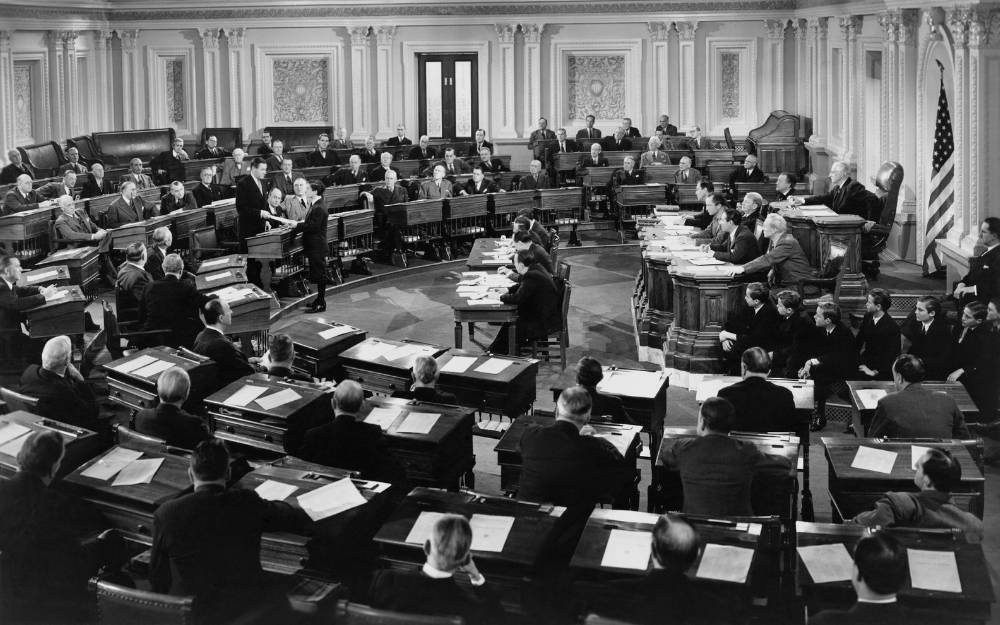
Step 6: Review by Additional Chambers (If Applicable)
In bicameral systems, the bill may pass to another chamber for review. That body may:
- Approve
- Reject
- Amend the bill
Why it matters:
Multiple reviews reduce errors and prevent rushed legislation.
Step 7: Executive Approval
Once passed by the legislature, the bill is sent for executive approval, such as:
- Presidential or royal assent
- Formal signing
In some cases, veto powers apply.
Why it matters:
This step provides an additional constitutional check.
Step 8: Implementation and Enforcement
After approval, the law comes into force. Government agencies:
- Develop regulations
- Enforce compliance
- Monitor impact
Why it matters:
A law’s effectiveness depends on implementation, not just passage.
The Role of Transparency and Public Oversight
Throughout the process, transparency allows citizens to:
- Follow legislative developments
- Participate in consultations
- Hold representatives accountable
An informed public strengthens democratic systems.
Final Perspective
The legislative process is designed to slow decision-making just enough to ensure fairness, accuracy, and accountability. While it may seem complex, each step serves a purpose. Understanding how laws are made empowers citizens to engage constructively with governance rather than observe it passively.
Democracy works best when the process is understood.